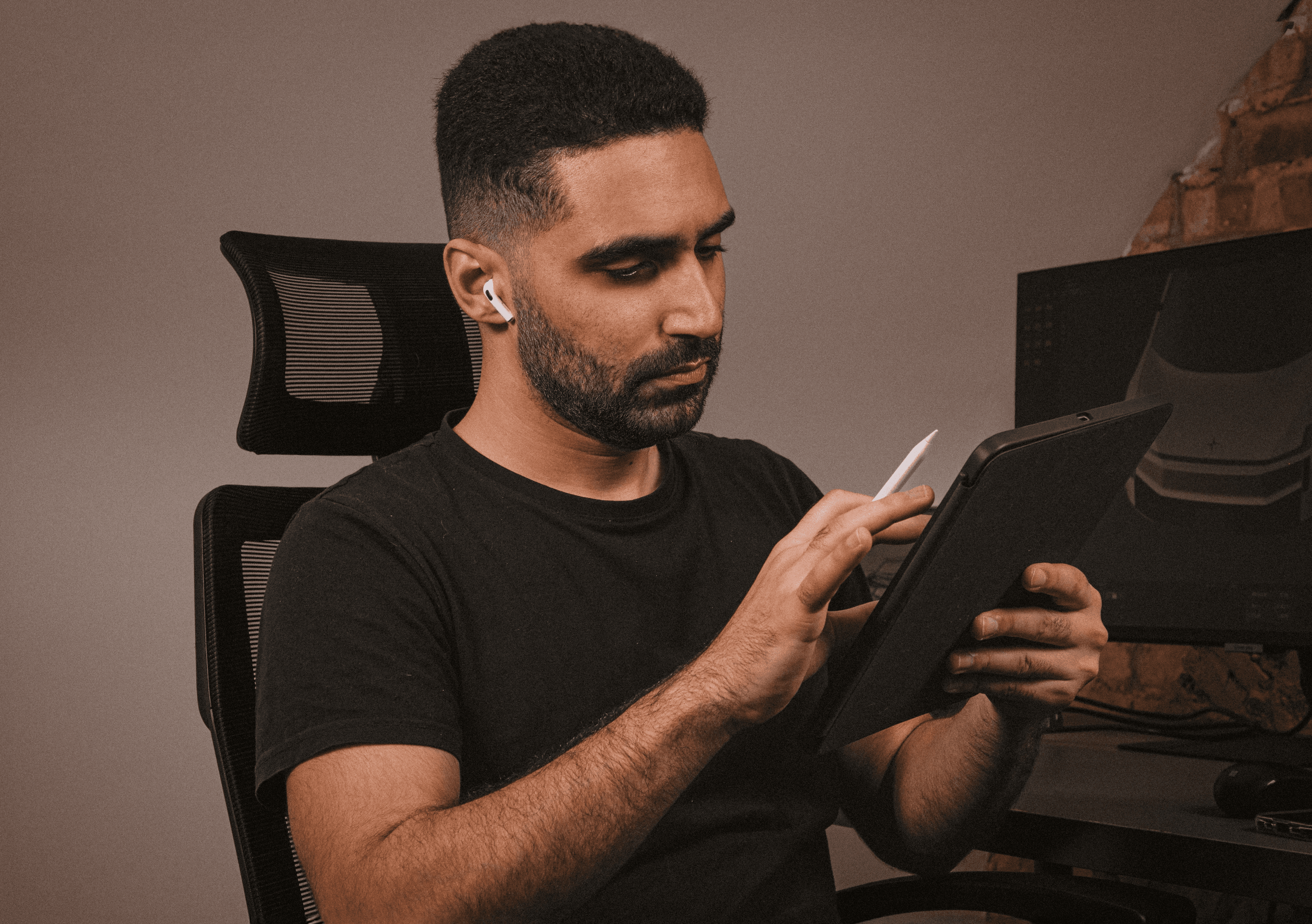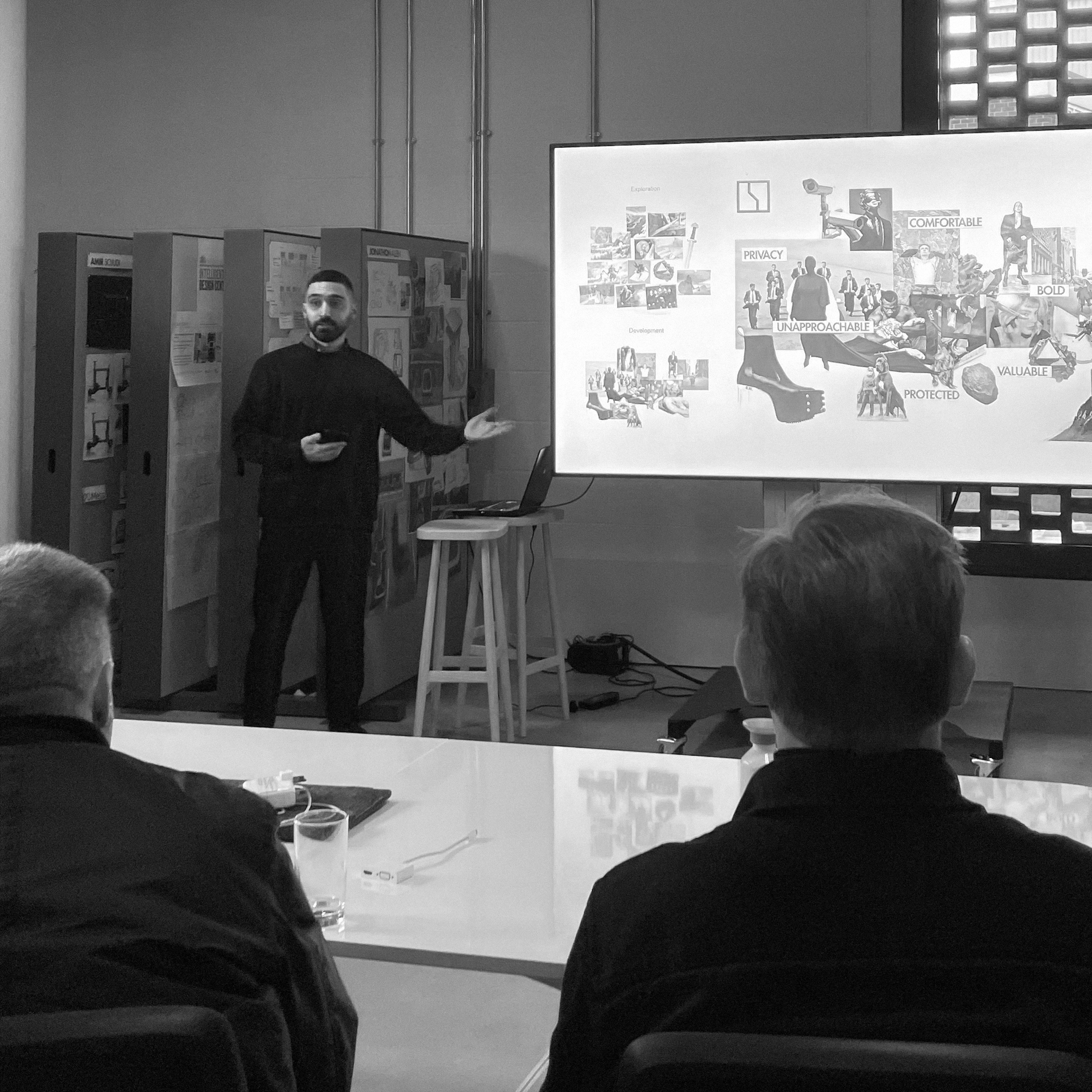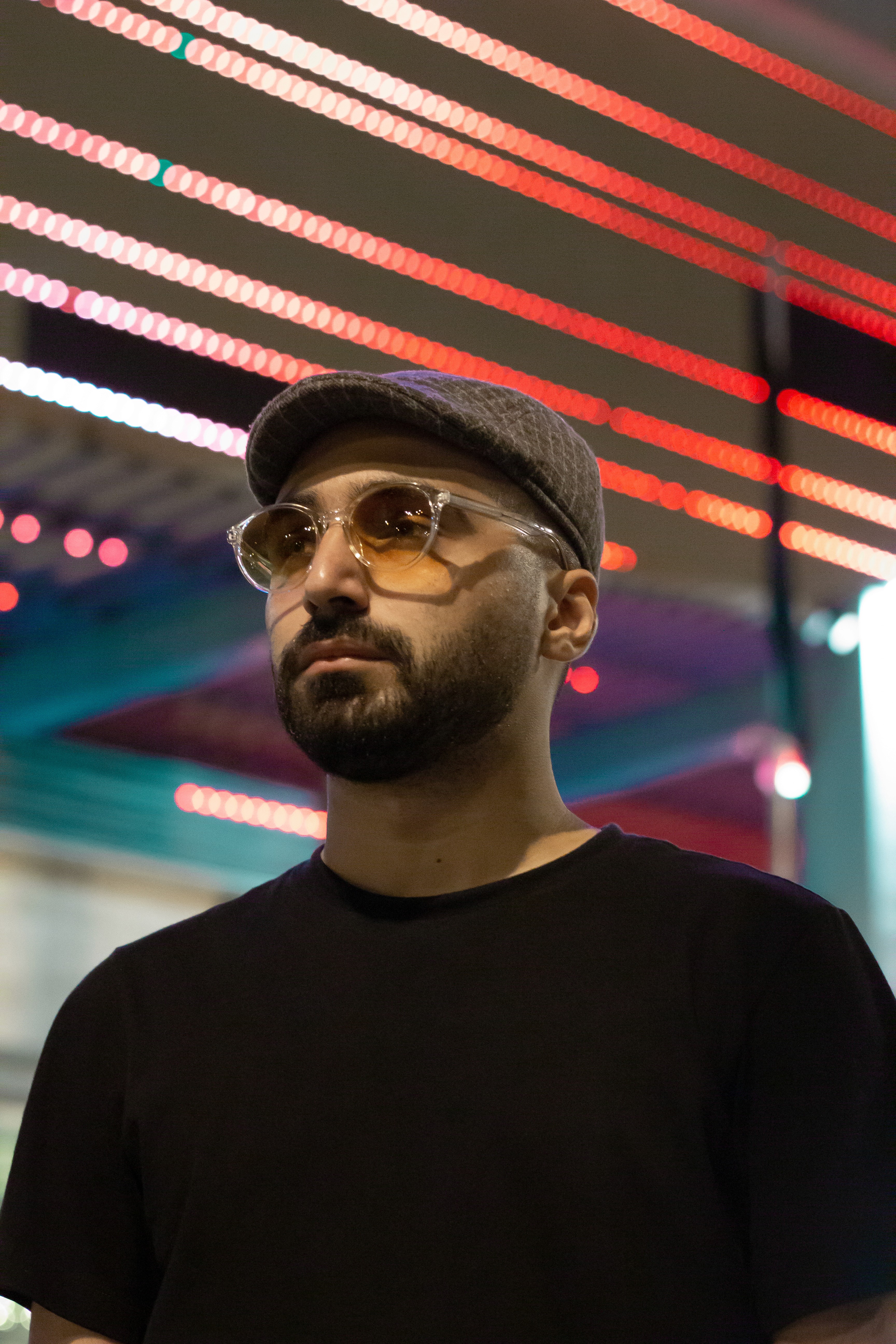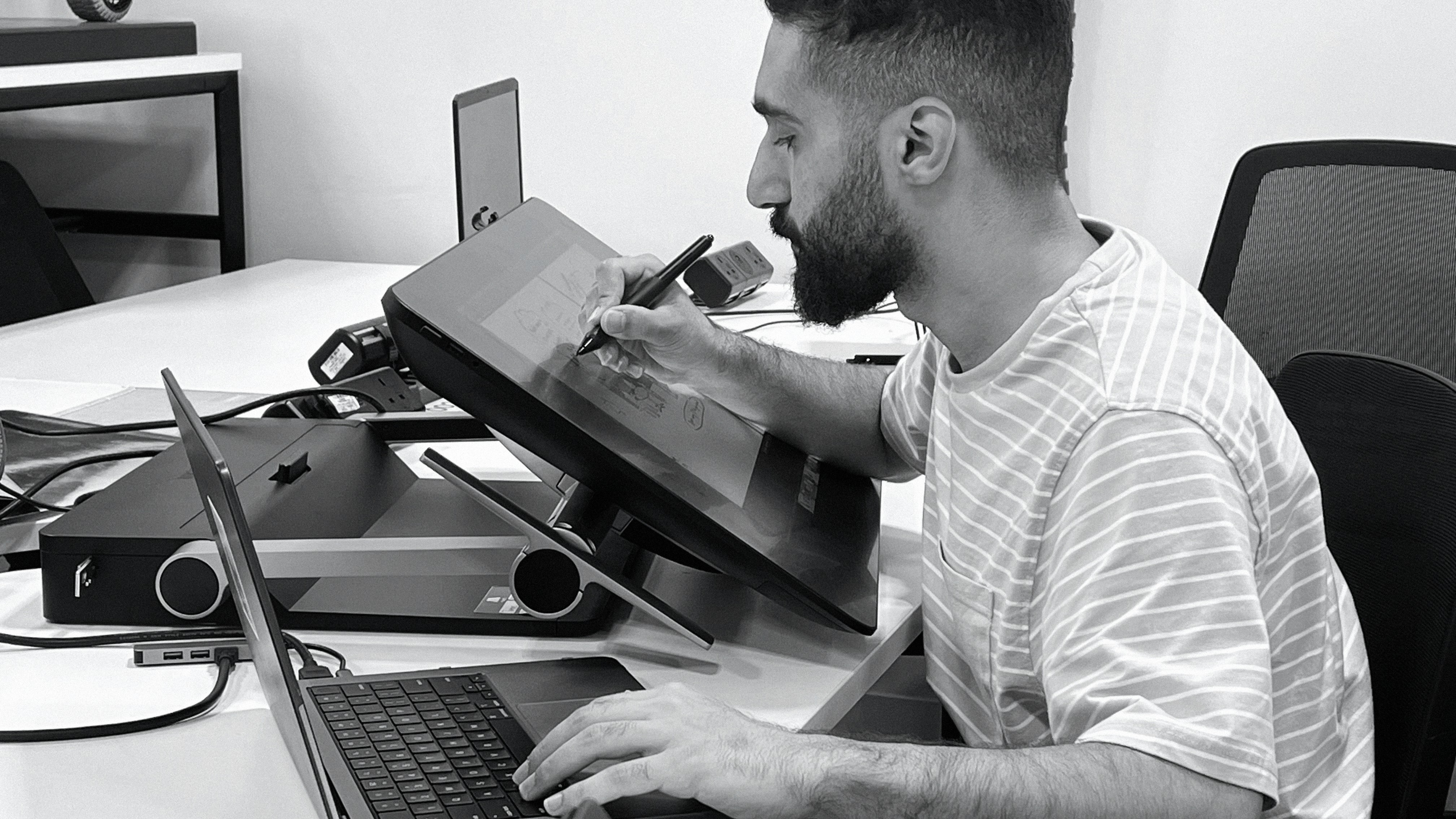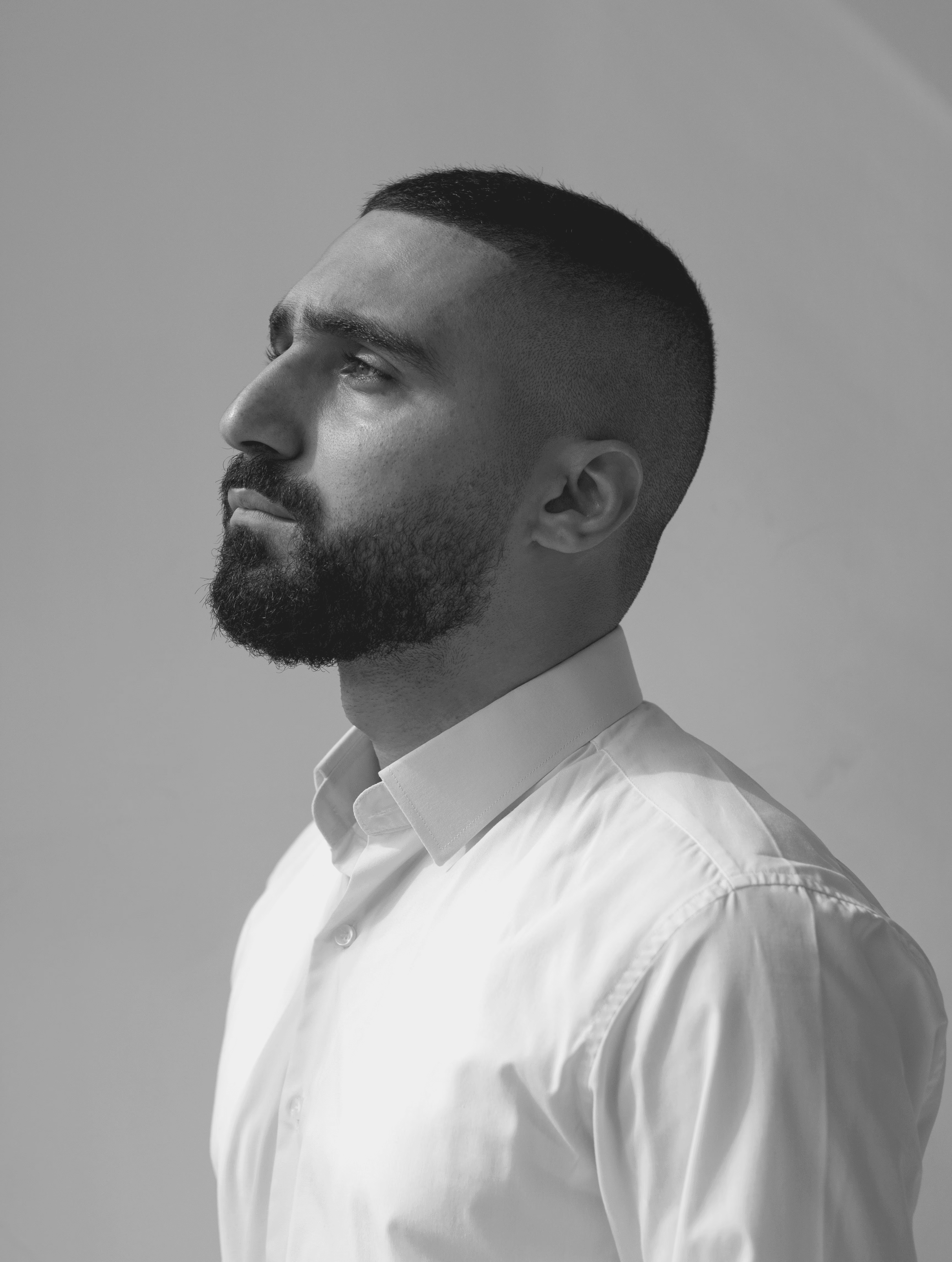
I've been drawing cars since I could hold a pencil. Not as a hobby — as an obsession.
In school, while classmates took notes, I filled notebooks with sketches: vehicles, products, imagined futures. I was curious about everything — how things moved, how they were made, how a well-designed object could make you feel something without saying a word. When it came time to choose a university path, I had a mathematics diploma and a choice. I chose to follow the drawing instead.
Learning to make things real.
At the Art University of Isfahan, one of Iran's leading art schools, I learned that obsession alone isn't enough — you need craft. I spent long hours in the studio mastering model-making, prototyping, and working with materials most designers never touch. I worked on real client projects while still studying, designing a gear oil bottle for Canada Lubrifiant — from first sketch to finished physical prototype, entirely on my own — and it went into production. I co-founded a student design studio called Unseen Creation, and we landed real commercial work: a faucet collection for KWC Iran, urban lighting systems, and home appliances.
That taught me something a classroom can't: the difference between a good idea and a design that actually works in the world.
Beyond the studio, I believed in building community. As elected Secretary of the Industrial Design Scientific Association in 2016, I organised major design events and brought the designers I admired to my school — including Paulo Cardini, who ran a multi-day workshop called Souvenirs from the Future in collaboration with the Global Futures Lab. Creating those environments for other designers to learn in became as important to me as my own practice.
Refusing to settle.
In 2019, I competed in Iran's National Industrial Design Olympiad — the country's most elite design competition for university students. I ranked 15th, which came with something rare: direct admission to a master's programme, bypassing the national exam entirely. I enrolled, spent one semester, and left. The programme couldn't offer what I needed. I had tasted serious design work, and I wasn't willing to go backwards.
So I applied to my dream school: the Royal College of Art.
Where obsession meets rigour.
Walking into RCA's Intelligent Mobility programme was a different kind of education. For the first time, I was in rooms with designers I'd grown up studying — including Peter Schreyer, the designer behind the Audi TT and Kia's design renaissance.
RCA gave me something I hadn't had before: a deep critical framework for thinking about design. Not just how something looks, but what it means, why it matters, and what context it's responding to.
My first project at RCA, BOXYCLE, explored the relationship between people and places — a foldable electric bicycle designed for urban mobility.
The ZEEKR collaboration was the centrepiece of that year. Mentored by Eduard Ribalta, Chief Exterior Designer at ZEEKR, I had the rare opportunity to discuss ideas and visions with Stefan Sielaff, Vice President Global Design. Sitting in rooms with designers of that calibre, getting feedback on my work at that level — that was the education I had come to London for.
My thesis project, CANVAS, reimagined the recreational vehicle not as a product but as a service — a system that lets people living in dense cities reconnect with landscape without needing to own anything. My second project at RCA focused on humanising technology, where I developed EDGE: an autonomous reimagining of the iconic London cab, integrating Meta technology to personalise the journey experience. I kept developing EDGE after graduation and published it in 2024.
What comes next.
When I graduated in 2023, I had an RCA degree, years of production experience, and a clear sense of what I wanted to build. I also had an Iranian passport, which meant that most studios, regardless of how they felt about the work, couldn't offer me visa sponsorship. The conversation ended before it began.
So I kept designing anyway — while working as a property manager in London to sustain myself in one of the world's most expensive cities. I have been refining my projects, creating new concepts, and continuing to push my work forward. Every project is a conversation with an industry I'm determined to re-enter.
This is the long version of the story. The short version is simpler: I've been obsessed with design since childhood, I've never stopped working, and I'm not done yet.
If you run a design studio and you're reading this — let's talk.